All posts by James Collins

Health insurance matters

Health insurance matters
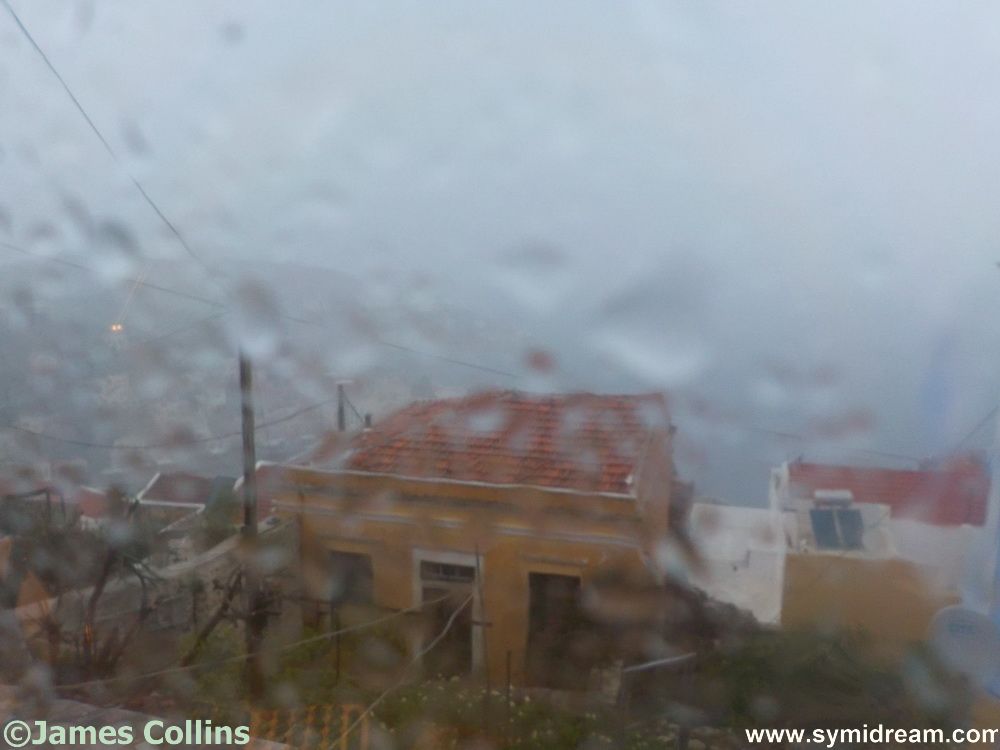
First: Well, that wind certainly made itself known. The rattling steam train on our roof turned out to be the wind racing through the air conditioner unit and/or through some heavy plastic pipes the landlord has left up on the ‘tower’ roof above the kitchen. We had to keep turning the television up so we could hear it, and the force eight or nine gale went on through Wednesday and into the evening, finally fading out well after dark. The Blue Star was unable to leave Rhodes, in fact, looking at Marine Traffic, I could see no passenger ships in the Aegean at all, only some sturdy tankers and cargo boats. Even Rhodes Diagoras airport was closed to flights at one point.
Health insurance matters
A bit misty

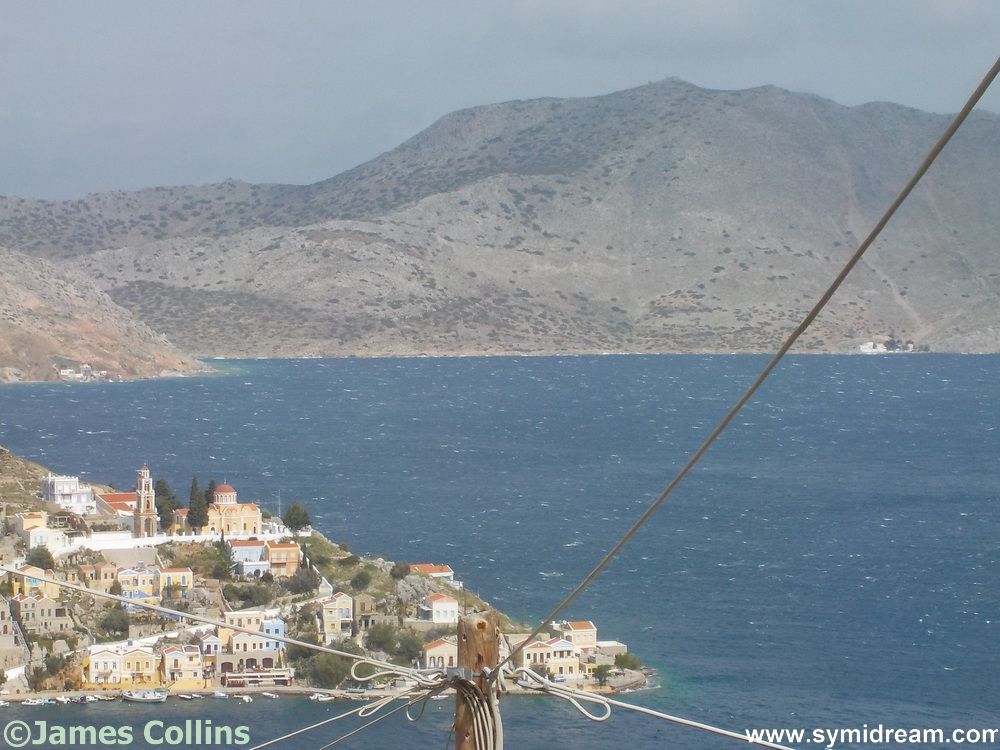
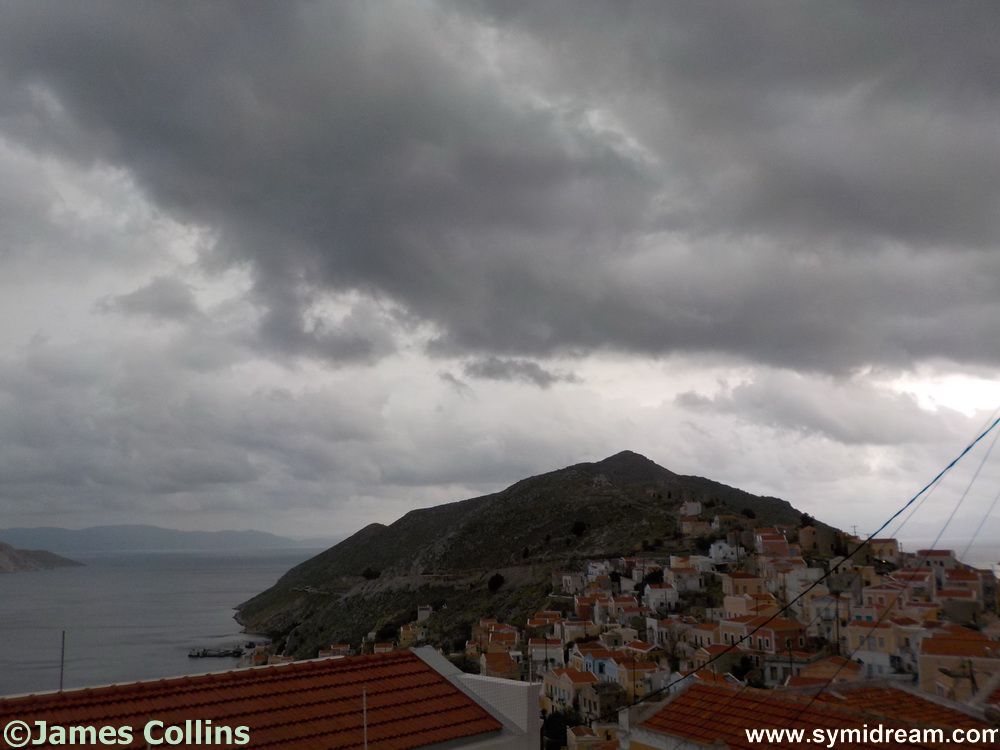
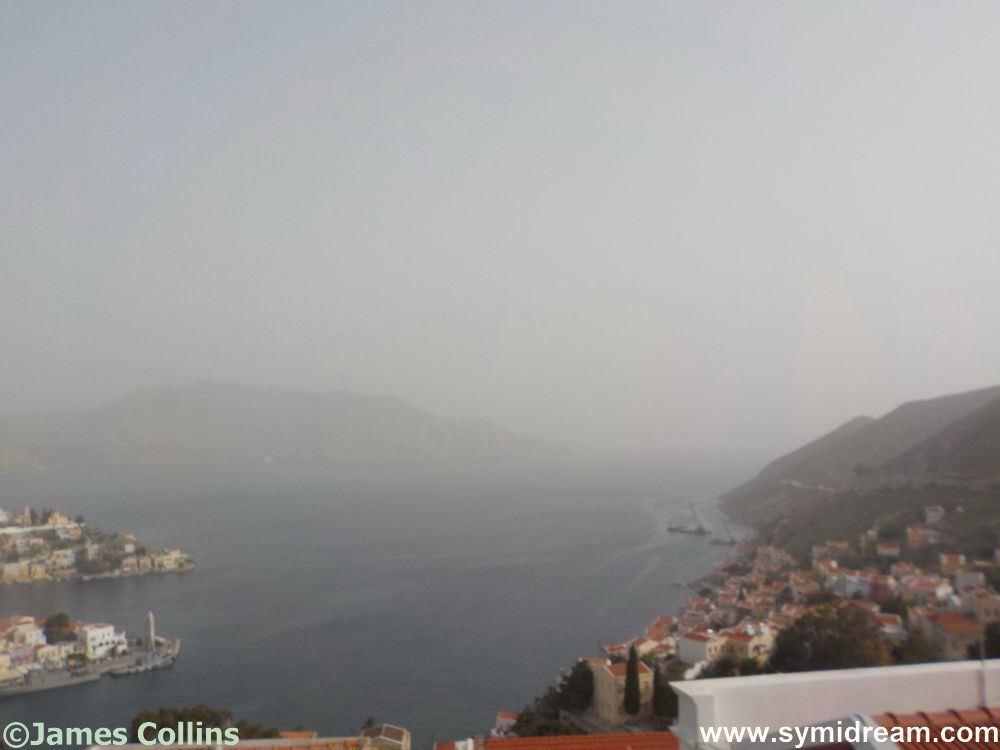
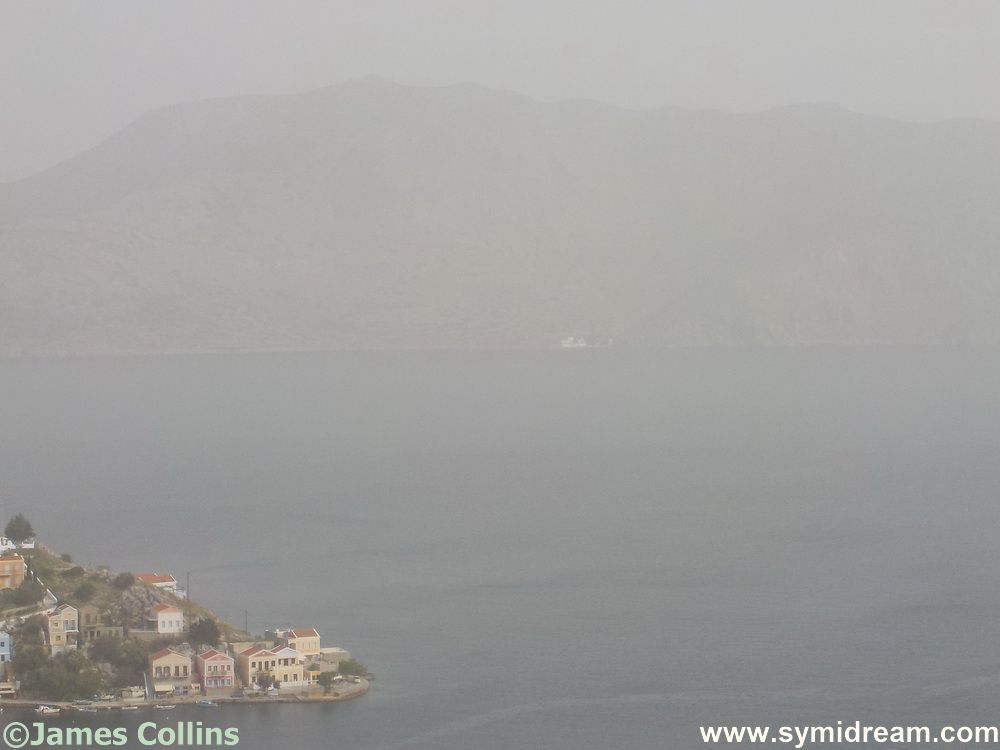
But Thursday was quite the opposite. The morning was calm and quiet and there was but a slight breeze. There was also a strange mist around, or maybe it’s dust in the air, and things looked rather autumnal out there. At one point I could not see Nimos which is only a just across the bay. It was also warm, so perhaps the mist was caused by humidity. Either way, it was a complete contrast to Wednesday’s battle of the winds, and this blog is quickly turning into a daily Symi weather update page, so let’s move on to something else.
Health insurance matters
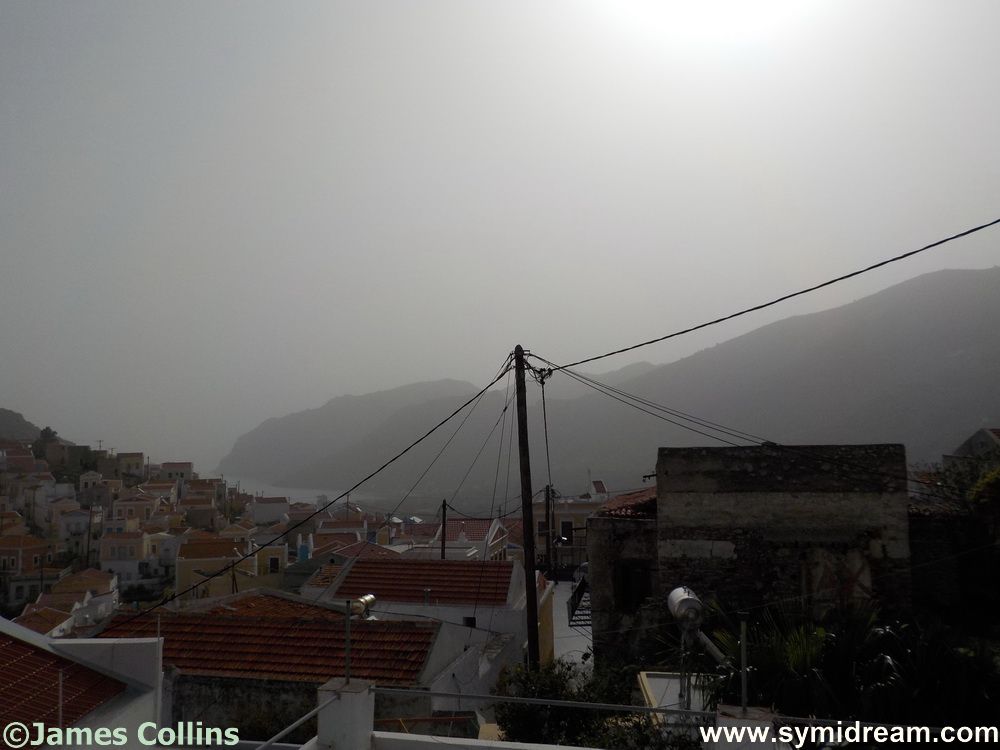
Towards Pedi from the roof

The health check MOT is fast approaching and we will be going to Rhodes in a few days. We are just waiting to get the itinerary from our health insurance contact and then we can plan boats and hotels. In case you were wondering, there are various ways to have health insurance in Greece and, in my 14 years here so far, we have had dealings with four. First there is the IKA (like the British national health schemes and service) which you can get if you are employed by someone else. Then there is TEVE which are payments made by self-employed folk, and this also covers pensions and things and, as far as I can see, is very expensive. Smaller communities can also use something called OGA, which is, I think, mainly for farmers, fishermen and some small businesses. (I have not looked up the exact details here so excuse me if that’s not 100% accurate, but OGA was available for the shop when we had it.)
Health insurance matters
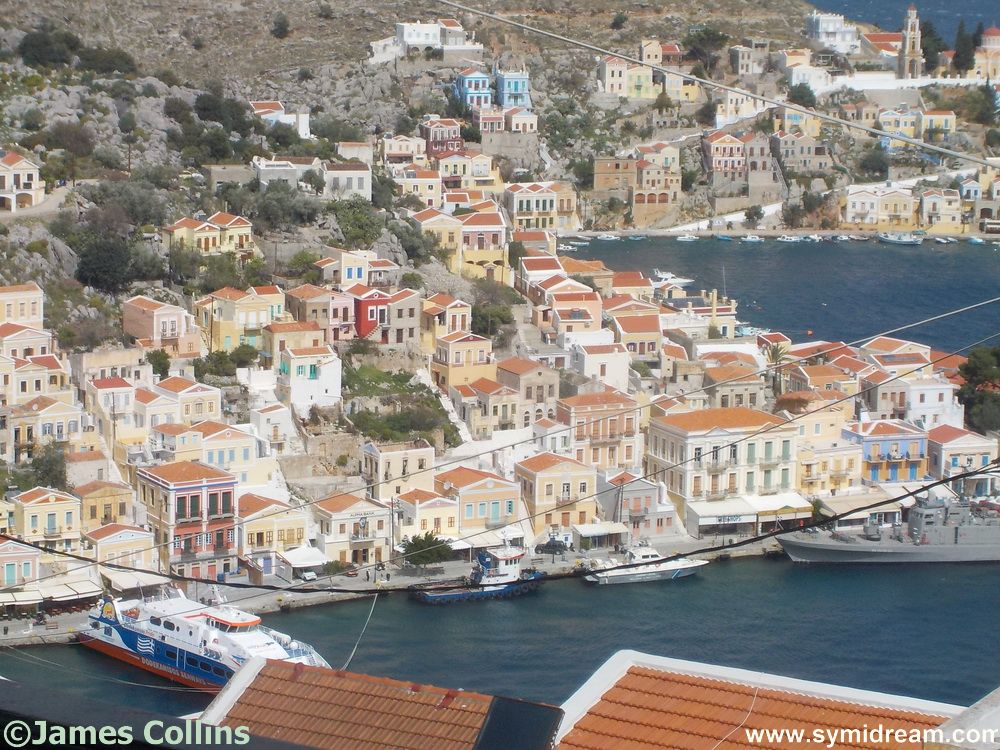
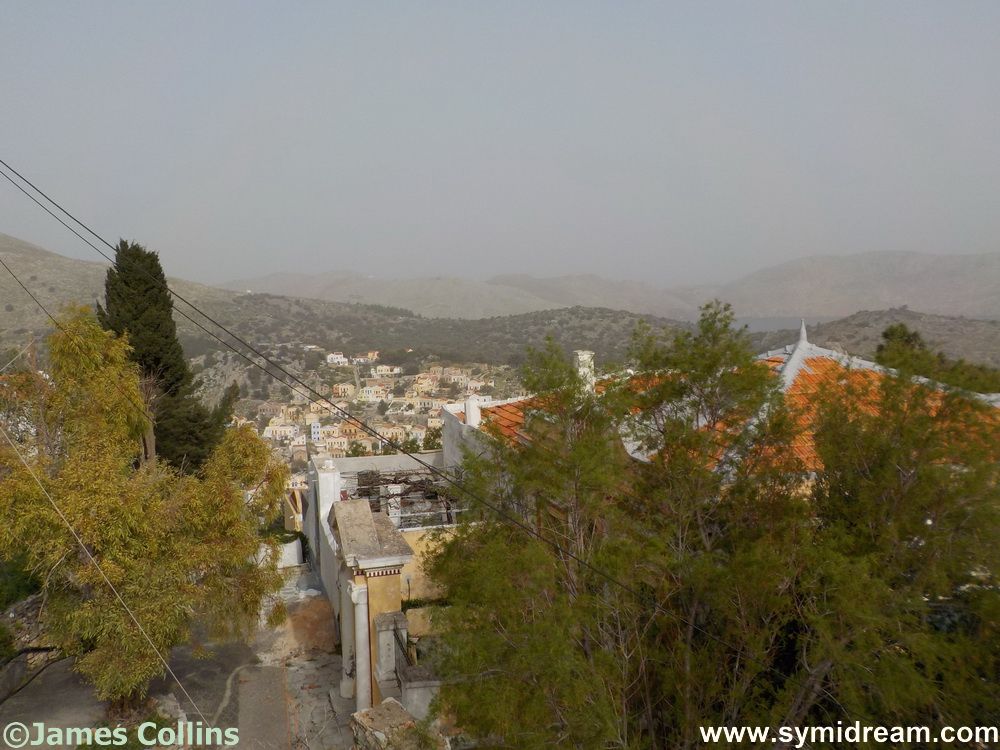
Towards the back of Yialos, from the other roof

Then there are private health plans and apparently many Greek people on IKA (and others) also opt for some kind of private health insurance if they can. These services are a private supplement to their government insurance. Or, you can go for full private insurance if you don’t work for anyone else, or work for an overseas company and don’t fall into the IKA and other schemes. This is what I set up last year. Part of mine involves some annual check-ups, along the lines of what we usually do (regular and longstanding readers will know about this) and that’s what we are going to be doing, hopefully, in the first week of April. Although Neil is still in IKA, he has a check-up plan as well, and pays a certain amount for a morning of tests at the Euromedica private hospital in Rhodes. Mine is similar but works in a different way as I also have a full cover plan.
Health insurance matters
Vanishing Nimos

And that plan is with AXA (their Greek website is here – in English). I did look at others last year but settled for this company for various reasons. The cover is good, though the only thing private insurances don’t cover is the cost of medicines, which can be expensive in Greece, and elsewhere, and so the annual check-up is well worth adding on. I’ve always found that Greek doctors are very into prevention as well as cure. Often have I been told off for not going to the doctor before I became ill. ‘You left it so long, why?’ ‘Because I wasn’t ill yesterday.’ ‘You should still have come to me sooner.’ That kind of thing, which is of course, all for the good. Anyway, our lovely lady, Tsmabika, is making our arrangements (all part of the service) and we should be heading off to Rhodes to get thoroughly checked up. If you are interested to know more, you can look at the website link above, or call the office in Rhodes. (English is spoken there as well as Greek.) The number is +30 22410 69690.
Health insurance matters
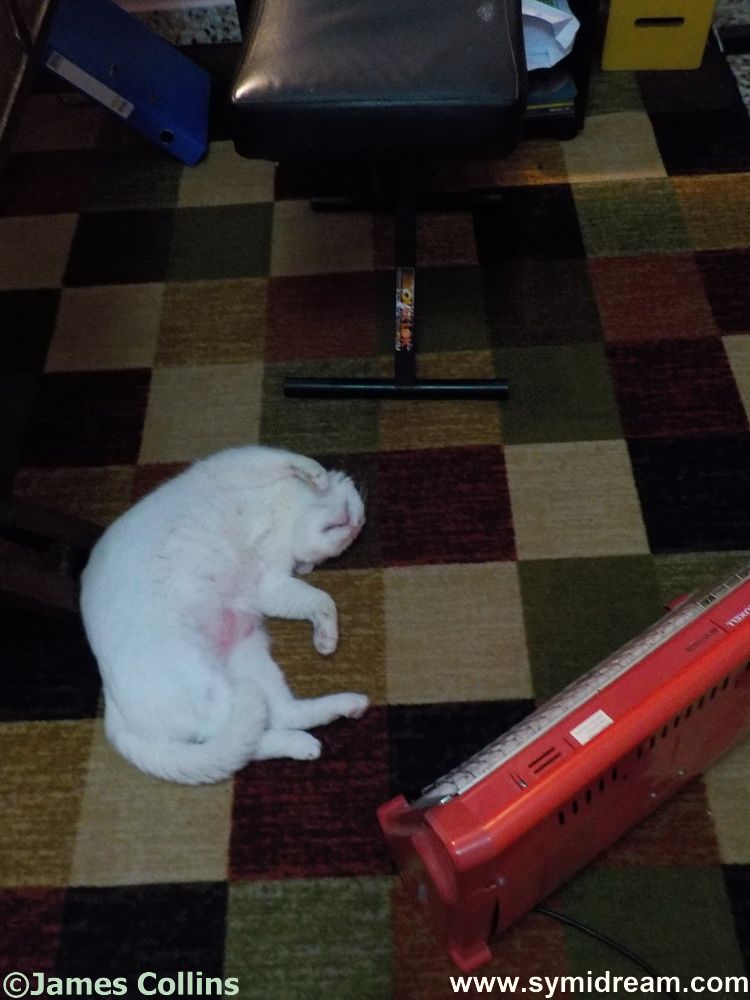
He was quite happy indoors away from the wind

Still windy

Still windy
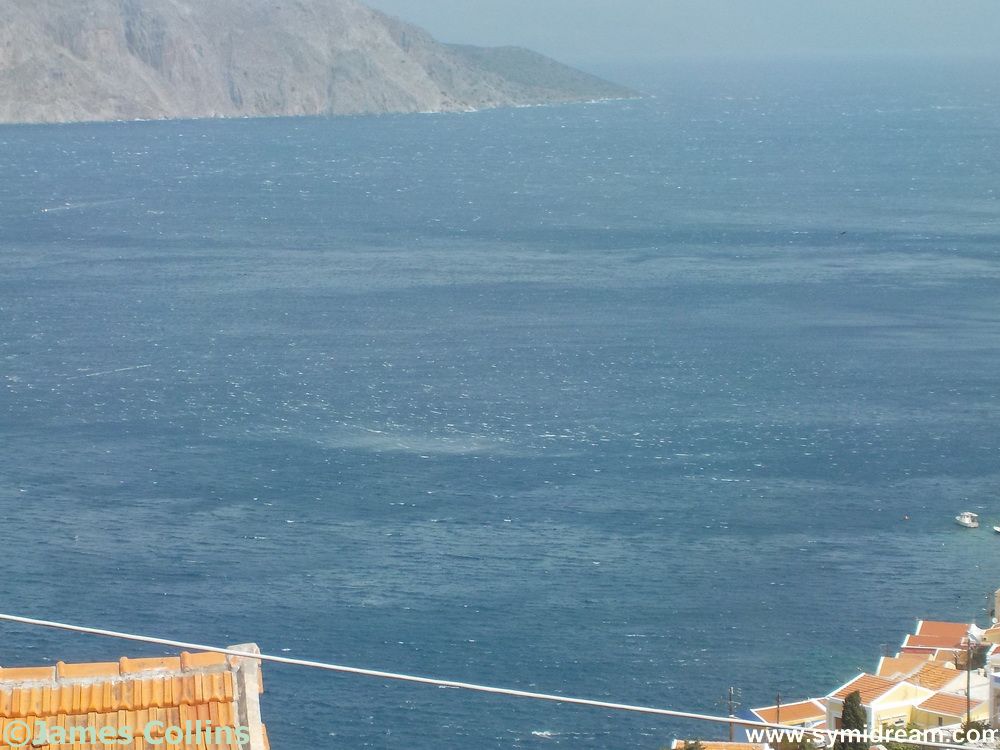
Writing this on Wednesday morning and the wind is still blowing. The Blue Star bypassed us today, presumably because it was so rough out there. You can clearly see the wind whipping up the sea surface from up here.

Still windy
You may need to download this and zoom in to get the full picture; it was taken on my small camera, not Neil’s telephoto

But the sun is out and the wind is not cold, though you’d have to be careful if you went out in it, something I was going to do first thing this morning. I decided against it when I woke up and thought an express train was hurtling across the roof above me. Each time I hear a sound like that I think of the strange case of ‘The Dyatlov Pass Incident.’ This is a story that my friend Ged alerted me to a couple years ago; a group of Russian hikers, all students and trained for outdoor pursuits, went missing on a hike in 1959. The bodies were found in very strange circumstances, there was an inquiry but no definite conclusions, at the time. The theory was that local tribes (this was in the Ural mountains of Russia) killed the hikers, and this theory was put forward in a recently published book called ‘Don’t Go There’ by Russian author, Svetlana Oss. There is another theory, put forward in ‘Dead Mountain’ by Donnie Eichar, that it was a low-frequency sound phenomenon, something called ‘infrasonic sound’, that would cause vibrations, interrupt brain patterns and cause disorientation and panic. This then caused the hikers to flee and freeze to death. It’s all very creepy and the sound of the roof rattling and the wind howling low across the house makes me wonder if this is what the group heard (only it would have been even lower and more intense). Was that the reason they fled their tent, without shoes and some clothing, and ran? Click the links above if you want to read the story and make your own conclusions. It’s a fascinating read – the Oss book looks a little at Russian rural and tribal song poems/storytelling which is itself fascinating.

Still windy
White waves

But back to Symi and it’s a day for staying in, with the shutters closed against the wind, and the cat by the fire, though it is not that cold. I do wonder, on days like this, what happens to those who wanted to get off at Symi this morning and hope that the wind subsides so the boat can dock tonight. I know of at least two people hoping to get back today. Fingers crossed. It was so windy that the Dodecanese catamaran harboured at Symi, presumably on Tuesday night. I am pretty sure it wasn’t there when I went to bed on Monday (might be wrong), but it was there are 6.30 Wednesday morning. I wonder where that came from and where it was going to when it was told to pull in here and wait for the wind to die down.

Still windy
Boats sheltering from the wind and rough seas

And, on another note, I now have seven people reading ‘Remotely’ in its current draft format, all prepared to offer notes on typos still remaining and also provide reviews for future publicity. I could still do with a few more readers if anyone is interested to read the book before it comes out. Its current format is not professionally formatted as yet and not checked by the main proof reader, so it’s about pointing out any obvious errors and maybe posting a review of it on Amazon, Facebook and other useful sites (assuming you think it is worthy) in return for having an electronic copy for free. Email me if you might be interested.


And with that I shall leave you and head off into the wind, which is due to have faded somewhat by the time you read this on Thursday.

Talking wind

Talking wind
It looks like we could be in for some rough weather again over the next couple of days. The sites I look at (Windfinder and Poseidon System) are both showing the wind getting up to force seven with gusts to eight on Wednesday afternoon and overnight. They also show some rain on the way later in the week. Good for the water supply.

Symi Greece photos
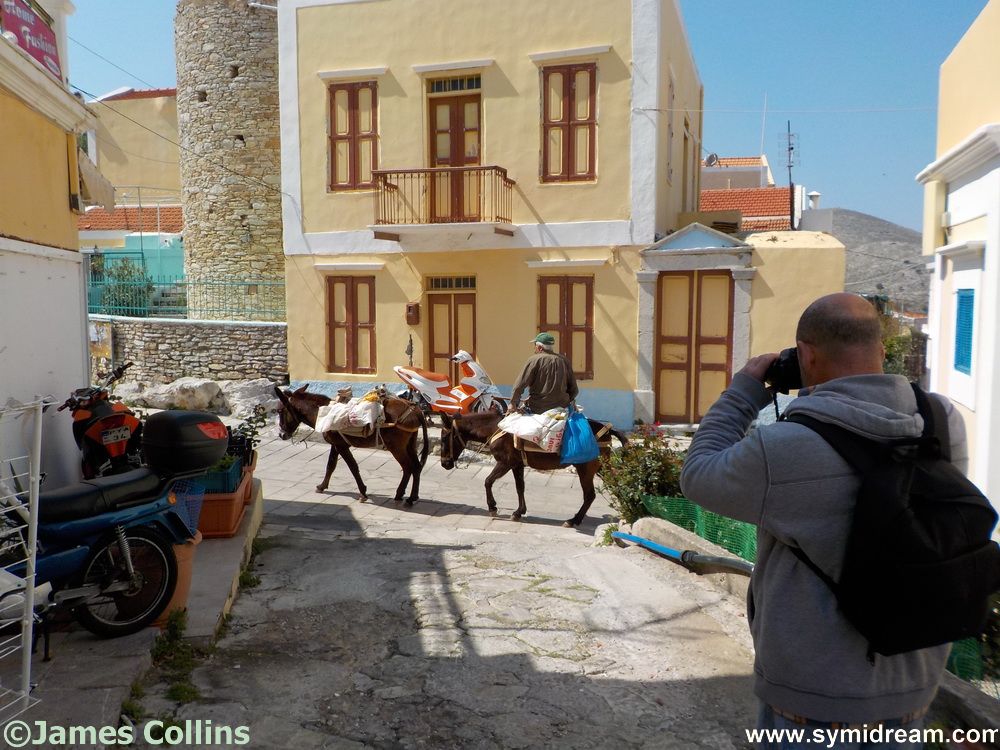
Village life

Wind is often a problem here, and I am not talking the aftereffects of a Greek salad and humus, I mean the άνεμος, the wind. But when I say ‘problem’ I probably mean annoyance. Yes, if the weather is harsh and particularly the wind, then the boats are not allowed to travel and that can mean no fresh supplies, no Rhodes visits, and basically not being able to get off the island until it dies down. But these things tend not to last for long and, as I always say, ‘Where there’s a will, there’s a relative.’ By which I mean, the wind issue is relative to your urgency. If you need hospital treatment like, right now, then other forms of transport are provided, assuming the helicopter can land and/or the coastguard boat can go – in an extreme emergency. Otherwise, you simply have to re-plan and make do. And the winds tend to be more amenable in the summer and it’s very rare that anyone misses a flight from Rhodes because if it. Anyway, back to άνεμος.

Symi Greece photos

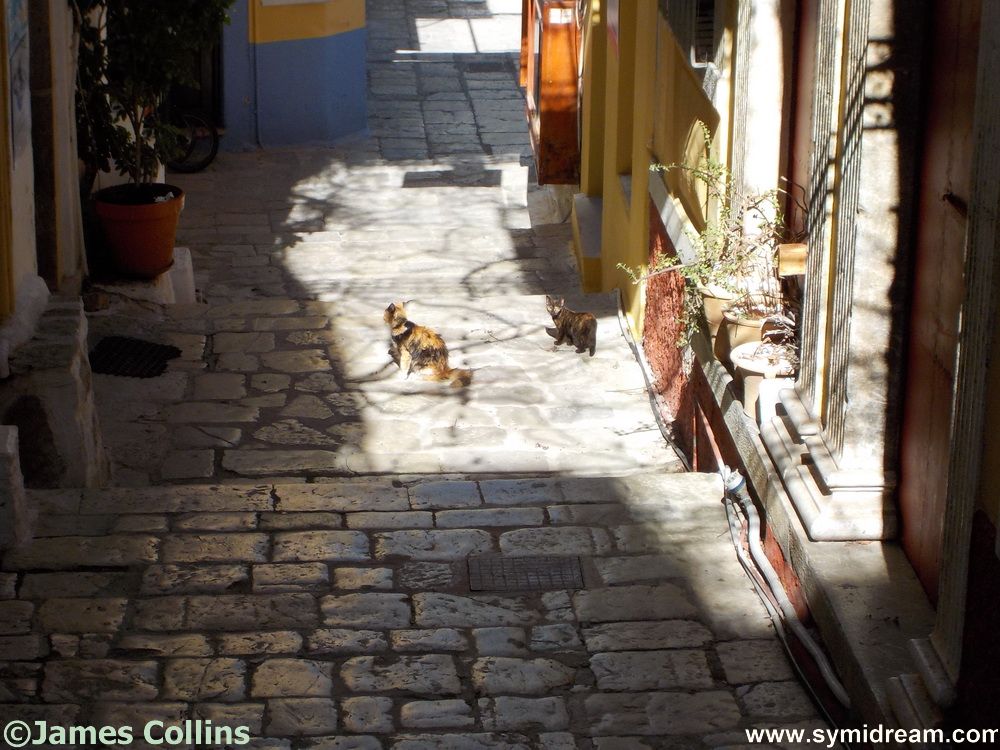
Village shadows

The word, άνεμος, can be found in some English words as I am sure you know. Anemophilos, pollinated by the wind, from άνεμος and also φίλος, for friend. And also, anemometer, an instrument for measuring the wind. But I wonder about the word that comes between the two in my dictionary, anemone. A little research reveals that this word, which is a plant of the buttercup family and also an underwater animal, comes into English (in the 16th century) from the same word in Greek. An anemone or ανεμονε (with a couple of ancient Greek accent included that I can’t reproduce here) was a ‘wind flower’ so called because the petals were said to open only when the wind blew. Sweet.

Symi Greece photos

Another Mousecatsle view

Well, the wind flowers might be up for a challenge if we do get they force seven or above tonight and tomorrow, there may not be any of them left standing. Let’s hope it turns out not to be as bad as forecast, as that’s what very often happens.

From Symi to Sacsayhuaman in 900 years

From Symi to Sacsayhuaman in 900 years
The Pontikokastro, or ‘Mousecastle’ in English remains something of a mystery. It is situated on the hill overlooking Yialos on one side and the Pedi valley on the other and is an ancient monument. But what was it? Over the years I have read a few Symi guide books and articles and a few theories have been expounded on its origin and use. A Neolithic stone circle, a commemoration of a great sea battle, the burial pace of King Nireus of Symi or simply an old enclosure for animals; perhaps even something to do with the windmills that stand nearby. Unless it were to be excavated (unlikely) I guess there’s no real way of knowing for sure. But what we do know for certain is that it is a good place to catch a view or two.

Symi pontikokastro mousecastle
Looking towards the Pedi valley, still very green

Which is what we did on Sunday, briefly, while taking an afternoon walk. You catch the wind up there, hence the windmills nearby, and you certainly get good views: Down to Yialos and over to Nimos and Turkey on one side, and down into the valley and the further hills on the other, with the village laid out ahead of you and the rocky ridge heading towards Agia Marina behind you. You can stand on the top of it and see a full 360 degrees, though I don’t encourage you to stand on any ancient monuments! Walk around its base instead, it’s the same view. It’s a good place for an easy walk, the starting place for a longer walk over to Ag Maria (or a place to pass on the way back) and it’s really easy to get to. So, when you’re here on your Symi holiday, if you’ve not already seen it, and even if you have, you might like to wander up there, and here’s how:

Symi pontikokastro mousecastle
Looking towards the village on the ridge of windmills

First, get to the village (bus, taxi, walk up) and then the Village Hotel and/or Windmill Restaurant. Follow the main road up the hill away from the village. This (allegedly) one-way street leads you to the crest of the hill where the road turns down to Yialos on one side and down towards Pedi on the other. It’s a T junction of sorts, by some bins and a discarded boat over the wall, and with the start of the main road path to Yialos (also worth a walk up or down one day). At this junction, you head straight across into a track with ruined windmills on one side, and you’re still going uphill. The path becomes stony, but not badly so and you will eventually come to a large gate. (There is also a viewpoint off to your left, look for the blue bench.) You can open the gate easily, and close it after you, and keep on up the rest of the slight hill and you can’t miss the Mouse Castle; the large, round collection of grey stones. Just be careful not to do any damage, it is eroding away slowly and doesn’t need our help.

Symi pontikokastro mousecastle
Looking towards Yialos from the ‘mousecastle’

The formation of the stones in places (says he, knowing practically nothing about this kind of thing) reminds me of the work at locations such as Sacsayhuaman, above Cusco, Peru – which we were lucky enough to see in 2007 – in that they are tight-fitting and dressed. The Symi stones are maybe not as tight as those I have seen in Peru, which were put up around 1100, and some look like they were not dressed to fit at all. But there is no denying that this is a manmade structure with earth piled on top of it. I’m not sure if that was always there, if it has been filled in or whether there was any kind of roof to the structure at any point. By the way, the Neolithic period in south east Europe started around 7,000 BC, the period covers the last stage of the stone age and is, and I quote, “…significant for its megalithic architecture, spread of agricultural practices, and use of polished stone tools.” http://www.ancient.eu/Neolithic/

Sacsayhuaman
Sacsayhuaman – Peru
Symi pontikokastro mousecastle
Symi’s mousecastle stone cut-to-fit in a similar but not quite as polished way

Which brings me back to the original use of our Mouse Castle. Perhaps it was, after all, something purely for agricultural use. But then again, when you look out at the terracing on Symi you can never be too sure how old it is. Some thousand-year-old terraces are still being used, some have fallen and are virtually gone. If the Pontikokastro was built around the same time as, say, Sacsayhuaman (and the style of stone cutting looks remarkably similar) then there is no reason why it should not have survived for the last 900 years more or less intact. If it were simply an animal enclosure I would have thought that a) it wouldn’t be so well built and b) it would have gone the way of some terraces by now. It’s possible it was for lighting beacons, but again, a huge amount of work, stone cutting, moving and dressing have gone into it; surely too much for agriculture or a beacon. So, the mystery is still there, unless someone actually has evidence for what it was, and it remains a great place for a ponder and good view. Right, that’s my Archaeology note for today, now it’s back to Time Team on You Tube…

Photo of Sacsayhuaman wall from Zigzag Citadel of Sacsayhuaman (I couldn’t find mine, they are on CD somewhere…)

How it is to live in Greece – some books

How it is to live in Greece – some books
I read an interesting article by my blog writing colleague, John P Manuel, on Sunday morning. In it he lays some fears to rest; fears by the ill-informed as to what is happening in Greece with the refugee crisis. He mentions some of the islands who have been at the frontline of this situation and explains a few things to those who would may have only have heard the wrong kind of news from television and print media. It’s well worth a read and this is the link: Ramblings From Rhodes.

How it is to live in Greece
Kali Strata Kats

And talking of fiction, as the title of the article does, John has also written a few books. Like me he has accounts of moving to and living in Greece, in this case Rhodes with his books Feta Compli, and his latest A Plethora of Posts – there are two others in this series as well, about life on a (larger) Greek island. Larger than Symi I mean. And then there are four novels including The View from Kleoboulos and A Brief Moment of Sunshine. You can find link to the full set of books via the blog site (see link above) or those individual ones by just clicking the titles. If you are interested in Greek living, living in Greece and what it’s really like to live on a Greek island (warts and all) then the books John writes will suit you down to your fustanella. And that is not a rude word, it’s a ‘skirt like garment’ (or kilt-like) to quote an online source, worn by several nations of the Balkans, and by Evzones, the Greek presidential guard.

Meanwhile, if you were wondering about the weekend on Symi and what happened, well, the weather certainly happened. Saturday morning:

How it is to live in Greece
Saturday morning
How it is to live in Greece
Saturday morning

Sunday morning:

How it is to live in Greece
Symi Sunday morning
How it is to live in Greece
Sunday morning

What a difference a day makes. The weather is good when it’s bad, at least it is if you want free water. We were able to fill up our sterna on Saturday morning, and it’s a pretty large one, which means we won’t have to buy any from the mains supply for a while. The plants also got a good watering and hopefully the reservoirs were topped up. Sunday however dawned clear and cold and bright, and so I grabbed a quick photo for you before writing this, posting it in advance and then getting on with my coursework. Today I have an assignment and that is to write a 300 word story, and then tell the story again three ways using three different story structures. And while I am doing that, Neil is in his room working on his IGCSE in Global Citizenship which, I have to say, is much more academic and much harder work than my writing course. He will also have to arrange to take the exam next year, perhaps having to travel back to the UK to do it, whereas I am purely correspondence. But we can look into all that at a later date. We may even be able to find some way that he can take the exam here in Greece.

How it is to live in Greece
Sunday morning

What I have looked into is the cover for ‘Remotely’ my next novel which is now with the editor, having been through the proofing stage. Mr Ed (as I just decided to call him) will work through it and lay it out while editing it down; helpfully I won’t get too much back for revisions. I am not expecting a fast turnaround on this one as Mr Ed is also dealing with a couple of films that he has produced and various other projects, but hopefully in the next couple of months, you should see it for sale.

And on that note: if anyone fancies promising me a review of the book on Amazon, I would he happy to send you a copy in advance. Then, when it’s published, you could put your review up on Amazon for me and hopefully attract more customers. I could send an electronic version in advance, or the Kindle version when that’s done. I wouldn’t be able to send hard copies until after publication date though. Drop me an email if you might be interested and we can talk further.